Upcycling Old Clothes with Creative Sewing
Turning outdated garments into fresh pieces through sewing transforms wasted fabric into new fashion or home use. A single oversized shirt can become a child’s dress, or a stack of worn jeans may yield a patchwork tote bag. Many projects begin with castoffs that would otherwise go to landfill–an estimated 85% of textiles in the United States end up as waste each year. Basic skills and a steady hand can achieve striking results, but the complexity varies: some upcycles need only a half hour and a few stitches, while others involve detailed pattern cutting and hours of work. Creative sewing often produces items that are one of a kind, whether casual or polished. These essential points set the stage for every upcycling effort:
- Material condition – weak seams or stained fabric can limit what is possible, making careful inspection crucial before starting.
- Time investment – a simple skirt from an old shirt may take just 30 minutes, but turning suits into fitted jackets often requires several weekends.
- Personal style – bold changes such as adding embroidery or patchwork produce unique looks that rarely match store-bought trends.
- Function change – a shirt may become a pillowcase or bag, showing that upcycling is not limited to clothing.
Success depends on matching the project to the material and the maker’s skills. Failed attempts often result from ignoring flaws or overestimating what a piece can become.
How do I choose clothes to upcycle
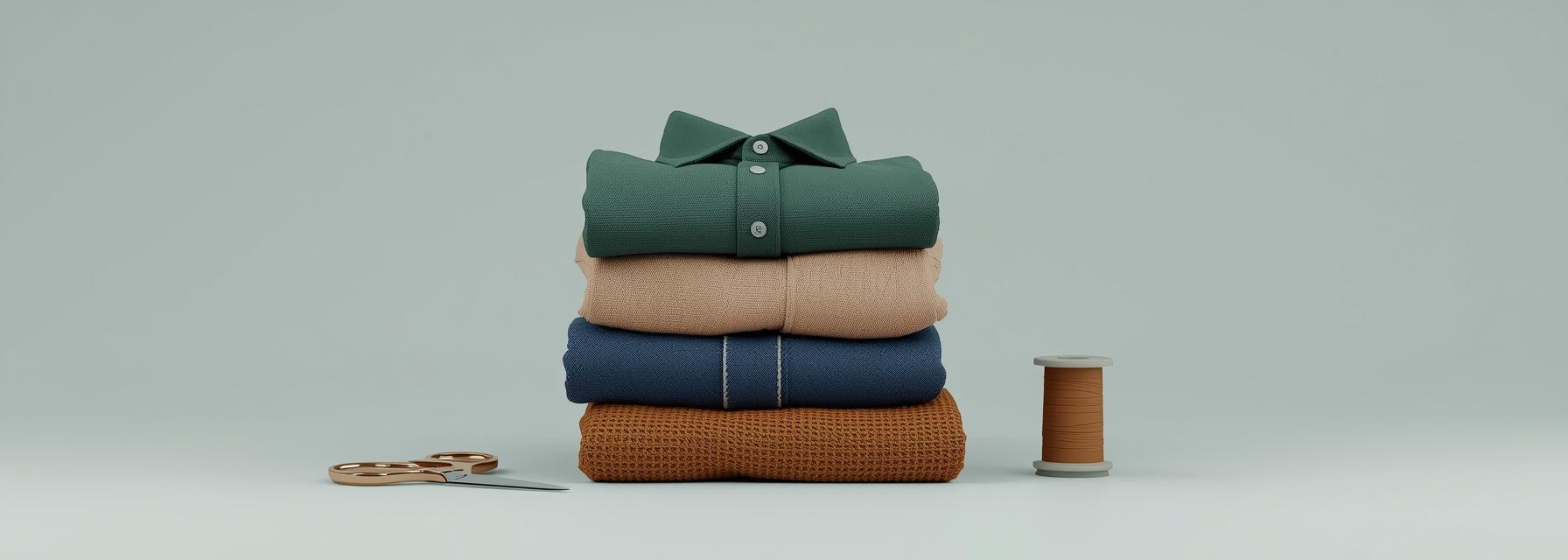
Garments made of sturdy cotton, denim, or linen hold up best to creative sewing. Pieces without major stains or deep tears are easier to work with. Avoid items that are threadbare or stretched out, as these will not last through much alteration.
A button up shirt with intact seams offers strong fabric and plenty of structure for new designs. In contrast, a cheap polyester dress with pilling or unraveling hems resists precise stitching and often warps during sewing. Clothes with too much stretch can shift unpredictably under the needle, leading to uneven results.
Natural fibers allow for easier embellishments, dyeing, or patchwork. When seams are mostly intact and fabric is thick enough to handle new stitching, experiments are less likely to fall apart. Choosing well preserved basics opens up more creative options and saves time in repairs.
What mistakes ruin upcycled clothes

A cotton t-shirt sewn to heavy denim often stretches out or tears at the seams after a few washes. Combining fabrics with drastically different weights or stretch levels almost never survives regular wear. Mismatched material properties create visible puckering, uneven drape, or even a garment that twists and loses shape entirely.
The single most common cause of a failed upcycled piece is ignoring fabric compatibility; a lightweight blouse stitched to thick upholstery cloth rarely holds its form, resulting in rippling seams and early breakdown.
When fabric mismatch goes unchecked, even the most creative design will unravel or distort after laundering. Testing stretch and weight by pinning or basting sections together before final stitching reveals how materials interact and prevents wasted effort on a doomed project.
How can I personalize my upcycled pieces
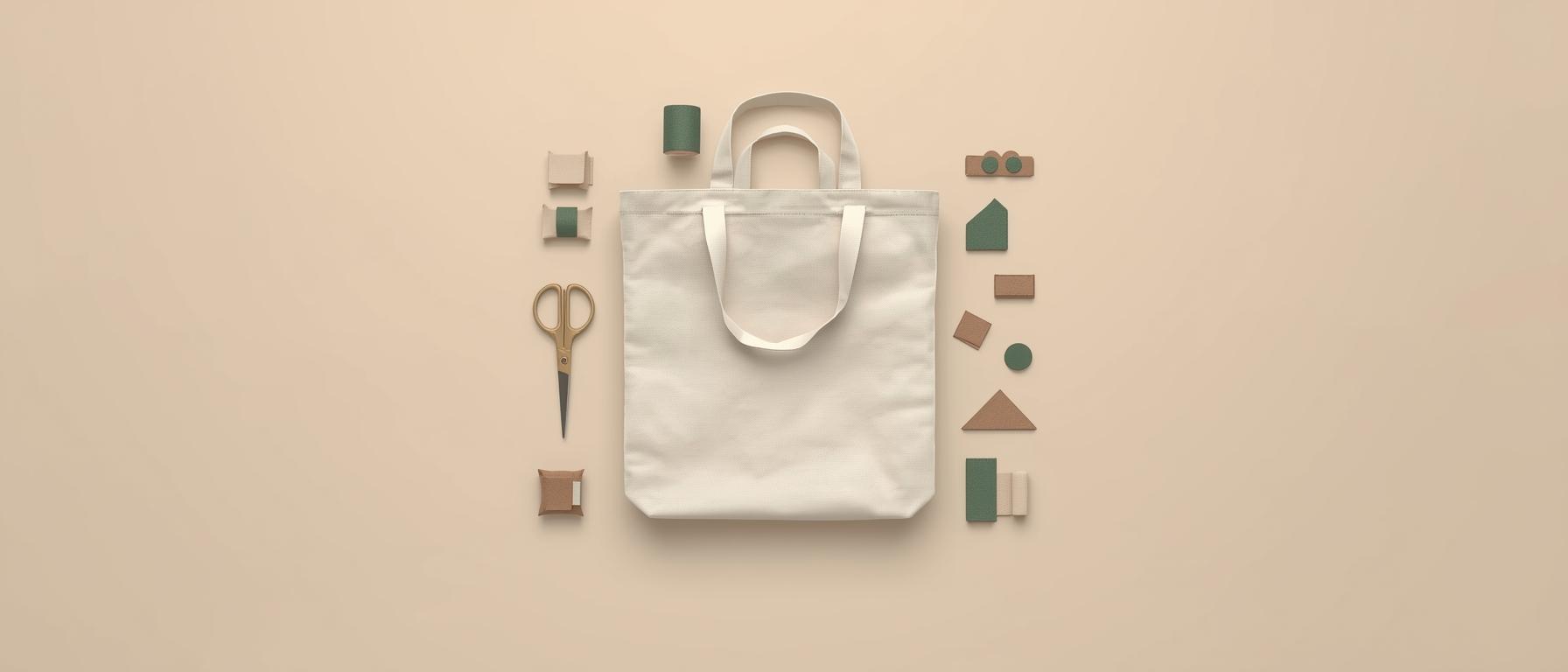
Personalizing upcycled clothing through sewing transforms basic garments into one of a kind pieces. A hand stitched detail or a bold patch changes the look in ways even custom printing rarely matches. A shirt that once blended in with mass market racks becomes an object with a story, shaped by the choices and skills of its maker.
Adding embroidery or appliqué details
Visible stitching or fabric shapes can break up monotony in faded garments. Small details like thread color or patch placement shift a piece's mood from playful to understated, which alters how often or where a garment is worn.
| Garment Type | Technique | Visual Impact | Project Complexity |
|---|---|---|---|
| Denim jacket | Contrast thread embroidery along seams | Bold lines that draw attention to construction | Basic |
| Cotton T-shirt | Iron-on appliqué patches at the chest | Pop of color or playful motif, hides minor stains | Very easy |
| Wool sweater | Hand-stitched floral embroidery at cuffs | Subtle accent that adds warmth and texture | Intermediate |
| Canvas tote | Layered fabric shapes sewn onto front | Eye-catching focal point, covers wear spots | Basic |
| Button up shirt | Small monogram or motif embroidered on pocket | Personal touch that is discreet but meaningful | Intermediate |
| Jeans | Sashiko mending over worn knees | Distinctive pattern, reinforces weak fabric | Advanced |
Statement embroidery or appliqué changes how a basic item fits into a wardrobe, especially when the original fabric shows signs of age. Swapping a standard thread color for something unexpected instantly personalizes the effect.
Changing shapes or adding features
Transforming the shape of a garment often means the difference between a piece that lingers in the closet and one that enters regular rotation. Tapering wide sleeves or cropping an oversized shirt can shift a dated silhouette into something current or better fitted, especially for those who find mainstream sizing unaccommodating. Combining contrasting fabrics, such as denim from old jeans with the soft cotton of a worn tee, brings visual interest that can break the monotony of solid color basics.
Adding functional features like a deep pocket cut from sturdy canvas or reinforcing seams when merging heavyweight with lightweight materials will prevent tearing and extend wear. Poorly matched fabric weights or unfinished edges can shorten a garment’s usable life and make repairs more difficult later.
A piece altered beyond three or four major changes–like narrowing, cropping, and adding structural elements–risks losing its original integrity or becoming uncomfortable. When introducing new features, test the fabric’s response to stress by stretching and pinching seams before finishing, since some blends resist alteration more than others.
A finished upcycled piece marked by visible mending or thoughtful embellishment stands out from factory made clothing. Hand sewn touches, whether subtle or dramatic, turn discarded fabric into wearable self expression.